News Stories

News First slide

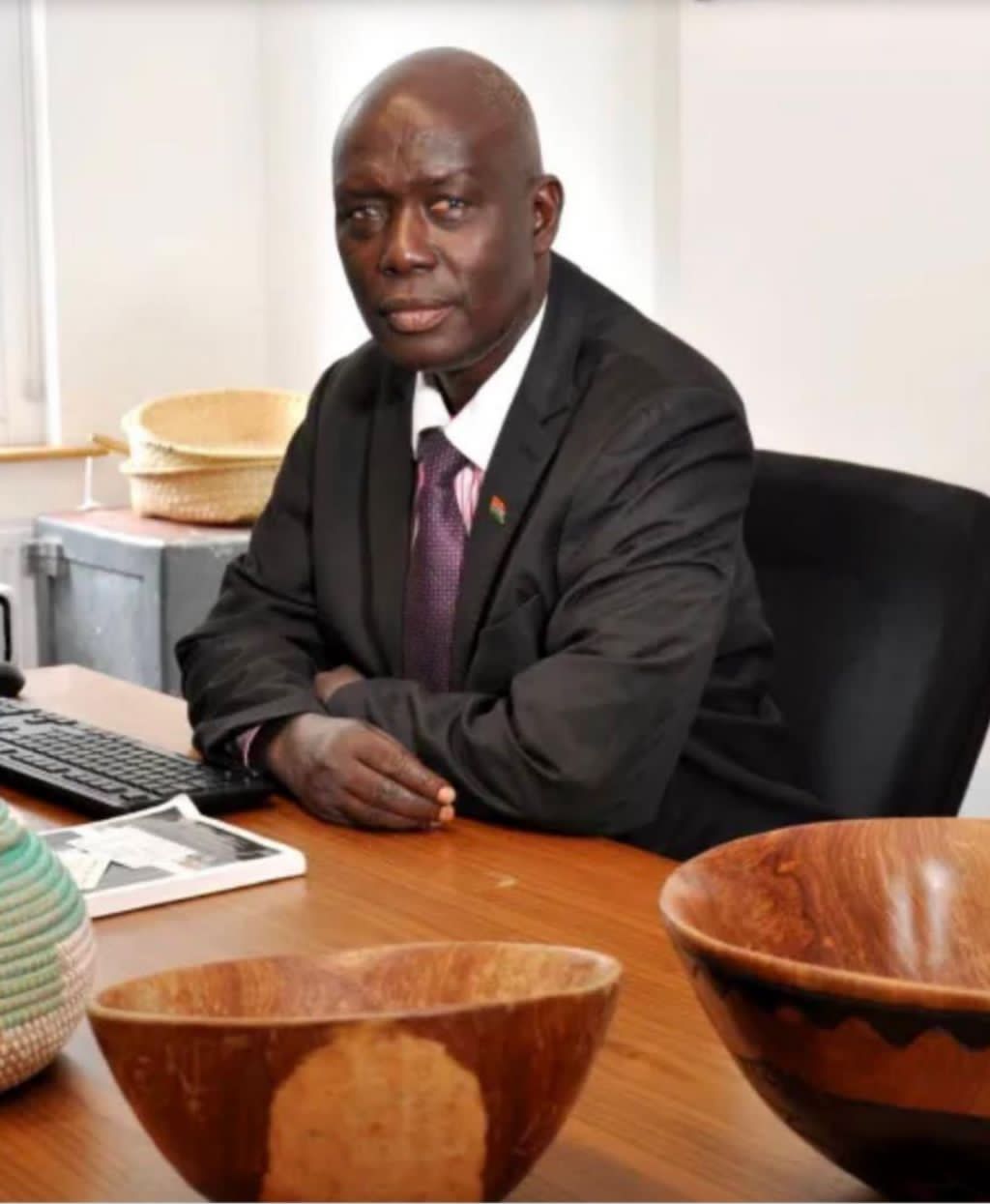
FORMER GRTS DG MALICK JENG DIES

We regret to announce the passing of our former Director General, Malick Jeng. He passed away on Saturday morning at his residence. Mr Jeng has served with diligence and commitment as the D.G. of the State Broadcaster. He presided over the return of GRTS to satellite transmission. He equally worked to ensure GRTS covered major national and international events involving The Gambia.The late Malick Jeng was a devoted Muslim who was greatly concerned about staff welfare. A jovial and compassionate individual who treats the staff with so much respect and care. GRTS Management is saddened by the passing of Mr Jeng, who greatly contributed to the transformation of GRTS. Management extends its condolences to the family and the entire country and pray that Allah have mercy on his soul and grants him Janatul Firdausi. 

Continue Reading >>
News First slide

INFORMATION MINISTER HAILS GOVERNMENT'S EFFORTS TO RESHAPE RELATIONS WITH THE PRESS

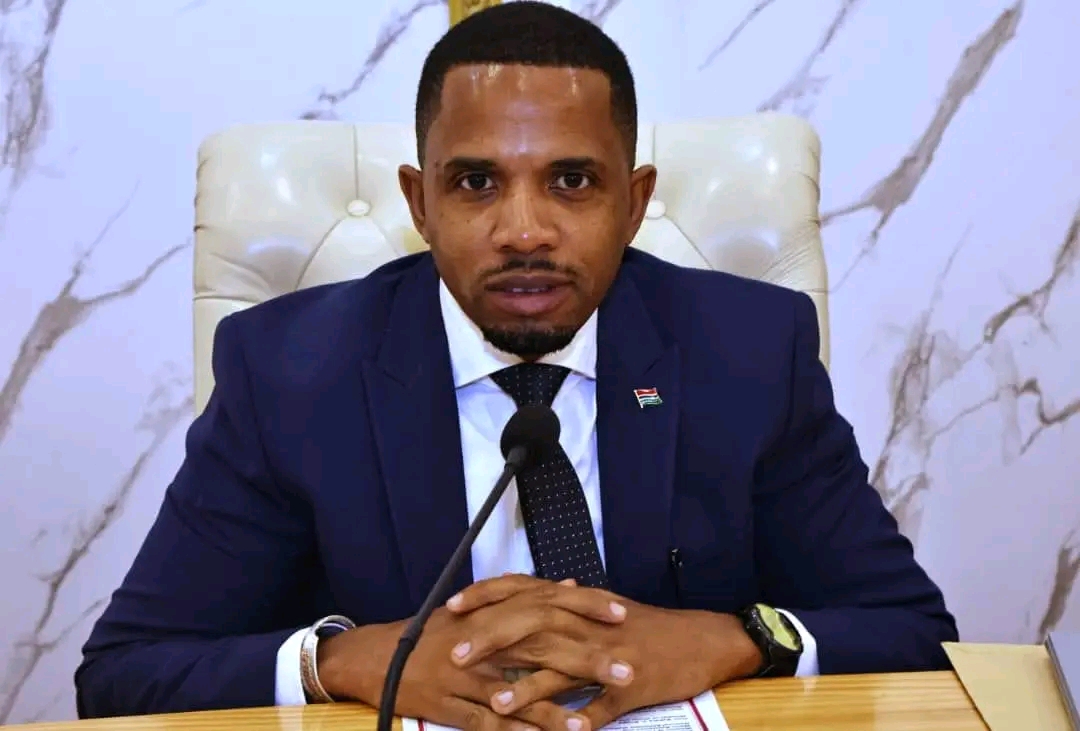
The new Minister for Information Dr Ismaila Ceesay told journalists during the briefing that his ministry aims to renew commitment to the development of the media landscape to bolster relations between the press and the government.In a period of increasing misinformation and disinformation, the Ministry has also launched its website and social media handles. An initiative meant to boost the much-long-awaited access to information.Serving as the main mediator between the government and the public, the Information Minister said his ministry is committed to building the website of all other ministries – a strategic move to enhance relations with the media and chart a way forward for the government to communicate to the public. Access to information is a crucial component of a strong democracy building a strong, vibrant society that enables the media to deliver accurate and reliable information to the general public.Despite the lack of support from the government through subventions like other countries, the Gambian media plays a critical role in its drive to deliver accurate information to the public. Yankuba Saidy, the Deputy Permanent Secretary at the Information Ministry, said the government is working to ensure the media outlets are subvented to be able to sustain their operations. Since the country transitioned to democracy and good governance in 2017, the Barrow administration has registered significant progress in terms of strengthening press freedom. This press briefing is meant to reset relations between the government and the media.

Continue Reading >>
News First slide

WORKS MINISTER EMBARKS ON NATIONWIDE ASSESSMENT TOUR

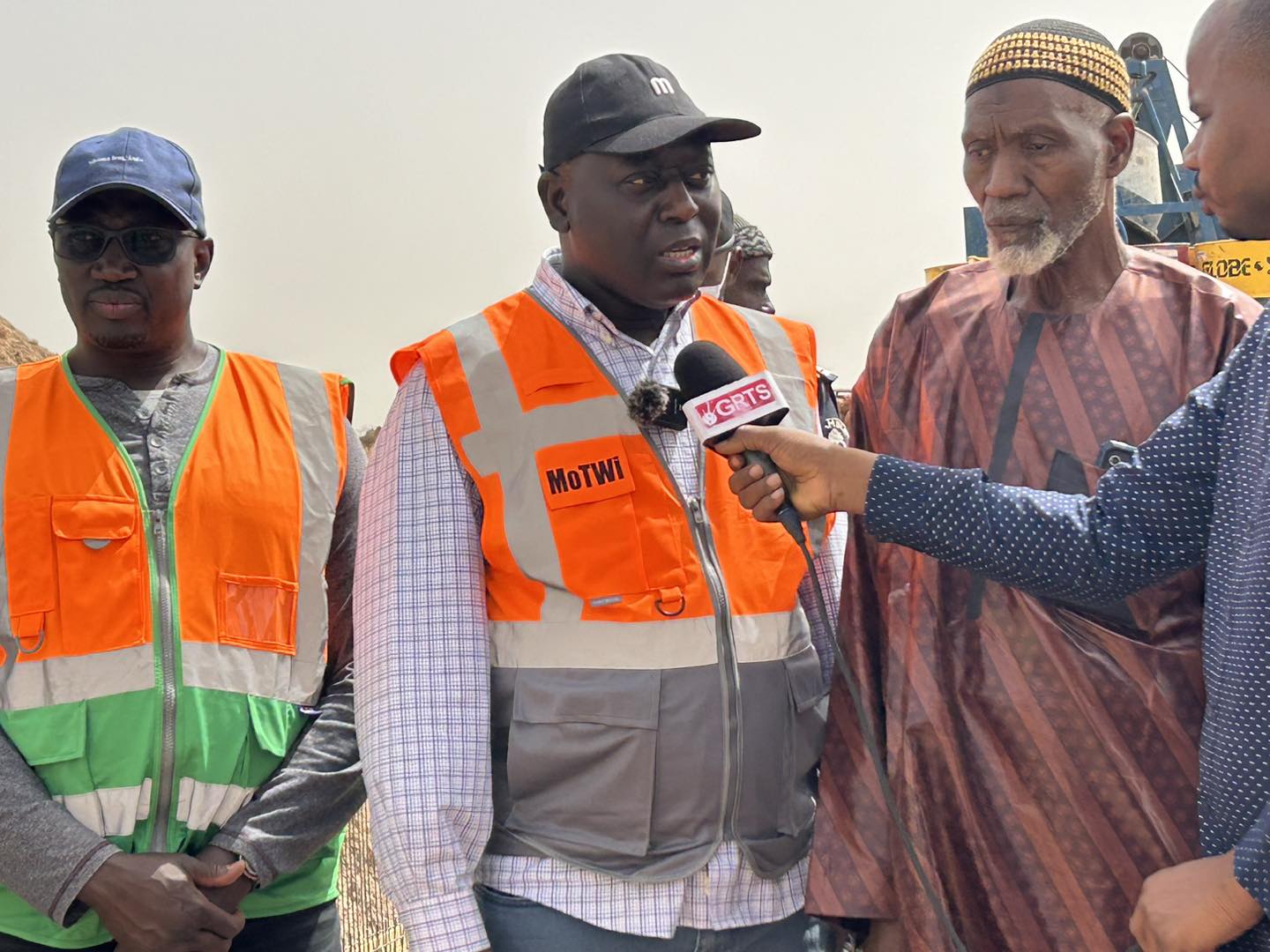
The Minister for Transport, Works and Infrastructure, Ebrima Sillah is on tour to assess the level of progress of road construction projects across the country.In what was day one of his tour, the minister inspected works on the ‘Hakalang Road’ in Nuimi and other access roads in ‘Baddibu’ in the North Bank Region to access first-hand. The famous  ‘Hakalang Road’ linking communities in Upper and Lower Niumi, is an 84 km stretch that has already been completed according to contractors. The Minister said he was satisfied with the level of progress, and hoped that it would be completed within time. Several residents in the area who are the direct beneficiaries of the road expressed delight in the historic roads, describing them as a life-changing project for the people of Niumi. From ‘Niumi’ to ‘Badibou’ where the minister and delegation inspected the ‘Kerewan Njawara Access Road’ which connects 17 communities in the catchment area to the main highway. Day one of the tour climaxed with a visit to the Banni-Salikenni road. This particular project was awarded to a Gambian contractor. The Minister said he is equally impressed with the level of work done at 70 percent. The tour continues to the Central and Upper River Regions

Continue Reading >>
News First slide

CHINESE EMBASSY IN BANJUL PRESENTS CHEQUE FOR OVER 2M TO GRTS

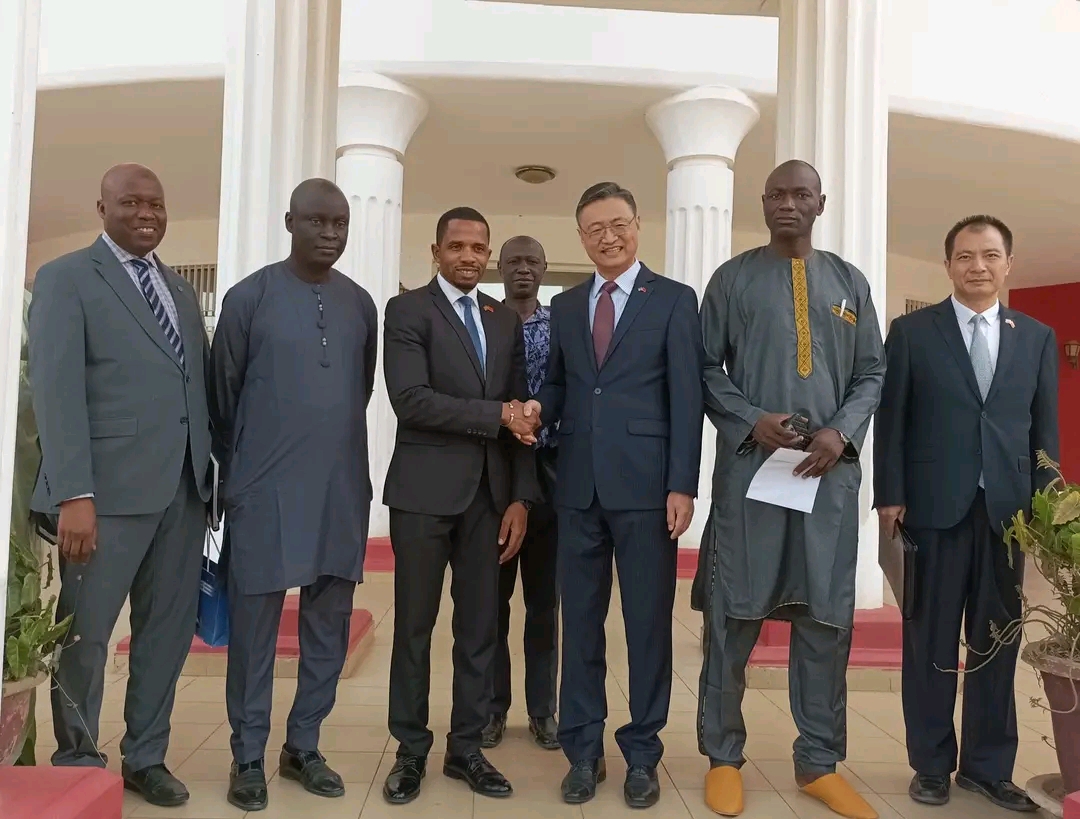
The Ambassador of the People's Republic of China to The Gambia, H.E Liu Jin, presented a cheque for over two million dalasi to the Gambia Radio and Television Services, for the purchase of cameras for the State Broadcaster.The gesture is in response to a request for support by the Director General of GRTS Abdoulie Sey ahead of the OIC Summit in Banjul.The Chinese ambassador H.E Liu Jin said the role of the media is crucial, especially GRTS being the State Broadcaster.The Chinese diplomat also described the OIC summit as an important platform to discuss international affairs and for Muslim leaders to share their perspectives on peace, unity, and fairness across the world.The newly appointed Minister for Information Dr Ismaila Ceesay, who was in attendance, emphasised the need for a complete transformation of GRTS from equipment to staff welfare, amongst others.Minister Ceesay used the opportunity to thank China for being supportive of The Gambia and Africa at large, citing infrastructural projects like the Sir Dawda Kairaba Jawara International Conference Centre built to the tune of 50 million dollars thanks to China.Director General Sey commended China for their timely intervention and continuous support towards GRTS' transformation. He further stated that the government of The Gambia under the leadership of H.E Adama Barrow, has strongly promised to support GRTS towards the coverage of the OIC Banjul summit, thanks to the intervention of the new Information Minister Dr Ismaila Ceesay. The Organisation of Islamic Cooperation (OIC) is the second largest inter-governmental organization with a membership of 57 states spread over four continents. The 15th Heads of State and Government Summit will be held in The Gambia from 4th to 5th May 2024. GRTS as the National Broadcaster has been handed the lead role of covering the events live and providing feeds for international channels.

Continue Reading >>
News First slide

FROM DATA TO IMPACT: THE DIGITAL TRANSFORMATION OF THE GAMBIA’S SOCIAL REGISTRY

In a concerted effort to address social issues and provide targeted assistance to vulnerable families, the National Social Protection Secretariat in The Gambia has implemented a comprehensive social registry system. This innovative approach harnesses the power of data to identify and support those in need, ensuring that assistance is directed where it is needed most.The National Social Protection Secretariate is the custodian of the Registry under the authority of the National Coordinator, it serves as a dynamic database containing valuable information about households across the country. Its primary goal is to identify vulnerable families and individuals, allowing for more precise and effective social interventions.The Gambia Bureau of Statistics handles the data collection, it is responsible for garnering data and supervising the process, this meticulous approach aims to create a reliable and up-to-date Social Registry, serving as a valuable resource for social service providers and policymakers.‘The data collection for The Gambia Social Registry follows a census approach – covers all households in the areas we have covered. The exercise is led by The Gambia Bureau of Statistics. The First phase covered 30 districts initially and then 6 additional districts (36 in total). The second phase covered 4 districts All Regions (URR, CRR, NBR, LRR, and WCR) are covered now; only KM and Banjul are left.’ Momodou Dibba, National Coordinator, National Social Protection SecretariatThe Gambia Bureau of Statistics (GBoS) employs advanced technology in data collection through Computer-Assisted Personal Interviews (CAPI) for the GamSR project. This data is then seamlessly migrated into the Social Registry Information System (SRIS), a purpose-built platform designed for secure storage, updates, and efficient querying.Ensuring a robust shield of data protection, SRIS incorporates sophisticated user privilege management and comprehensive access control mechanisms. Committed to upholding the highest standards, these security features safeguard the confidentiality and integrity of the data, aligning with leading practices in data management and security.Collaboration is also a cornerstone of the initiative, with the National Protection Secretariat working closely with other government agencies, non-profit organizations, and community leaders. This collaborative effort enhances the overall effectiveness of social interventions, creating a holistic approach to addressing the diverse challenges faced by vulnerable populations.The social registry under the social safety net project, funded by the World Bank, is a vital component of the government’s commitment to providing effective social protection for the most vulnerable populations in The Gambia. By collecting precise data on extremely poor households, stakeholders can design targeted interventions such as the Nafa cash transfer to alleviate poverty and improve living conditions. One of the key strengths of the social registry lies in its ability to collect and analyse data on various socio-economic indicators. By understanding the specific needs and challenges faced by different households, the National Protection Secretariat can tailor its support programs to address those issues directly.“The Nafa Cash transfer has really helped ease my financial challenges, my family benefited significantly from the program. -Ebrima Gibba, Nafa Program beneficiary. The utilization of data in the social registry has already yielded positive outcomes according to officials. Targeted interventions, such as financial aid, healthcare support, and disaster support, have been deployed to families identified as particularly vulnerable. This approach ensures that resources are allocated efficiently, maximizing the impact on the lives of those facing socio-economic hardships.According to the National Social Protection Secretariat, it is committed to upholding the privacy and security of the data collected. Stringent measures are in place to safeguard the information, ensuring that individuals' personal details are treated with the utmost confidentiality.‘The data that we collect is based on the informed consent of the people. Following the field data collection and cleaning by the Gambia Bureau of Statistics, the data is submitted in an encrypted format to the National Coordinator of NSPS. At the Secretariat, it is only the Social Registry Manager and Data Analyst who has access to the dataset because they work on it to make it available to programs.’ ‘These officials operate based on prescribed rules and guidelines stipulated in a Data Sharing Protocol we developed with technical support from WFP which is based on the Data Protection and Privacy Policy of 2019. Anytime, we share data with programs, we sign an MoU that places certain obligations on the receiving agencies/programs in terms of protecting the data from misuse, unauthorized third-party access, or anything incompatible with the purposes for which the data was given. Momodou Dibba, National Coordinator, National Social Protection Secretariat.’ By seamlessly integrating digital solutions, such as cloud-based storage and secure data transmission protocols, the social registry system can unlock new levels of efficiency, accessibility, and security. This strategic leap will not only safeguard the privacy of collected data but also streamline the process of sharing valuable insights with stakeholders. As The Gambia continues its commitment to social protection, the incorporation of Digital Public Infrastructure is poised to catalyse a more impactful and technologically advanced era in targeted social interventions, underscoring the government's dedication to the well-being of its citizens.

Continue Reading >>
News First slide

RISE IN IRREGULAR MIGRATION FORCES STAKEHOLDERS TO DIALOGUE FOR WAY FORWARD

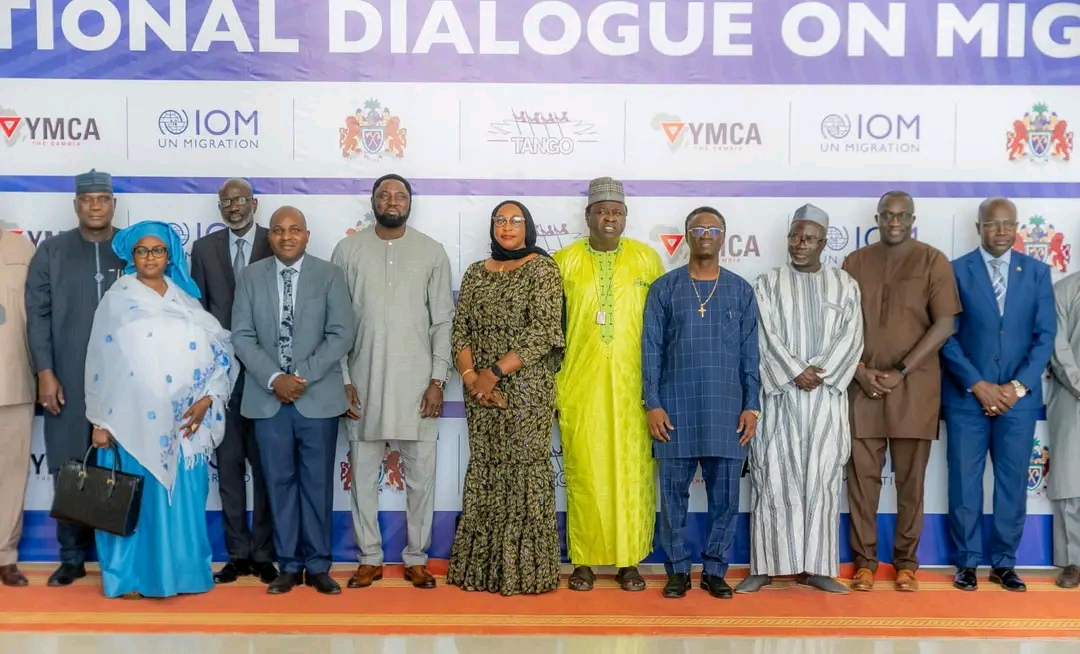
Irregular migration is an alarming reality that calls for a united response. This, as many of our youths continue to dare the vastness of the dangerous seas and the harsh Sahara Deserts at huge human, financial, and material costs to the country.The recent surge in the number of youths undertaking such perilous adventures and the alarming loss of lives have generated massive responses from the government and ordinary people alike.Thus the need for this first-ever ‘National Dialogue on Migration’ which brought together key stakeholders, including Mamadou Tangara Gambia’s minister for foreign affairs, Sering Modou Njie, defence Minister, Siaka Sonko, Interior Minister and Abubakarr Suleiman Jeng, National Security Adviser, for a two-day convergence.Governors, ambassadors, senior government officials, community representatives, and international partners were also in attendance.The dialogue which is ‘themed on building national consensus on migration interventions’, was organized by the Gambia YMCA and TANGO, in partnership with the International Organisation for Migration and the Ministry of Foreign Affairs, International Cooperation and Gambians Abroad.The forum provided participants representing various regions and communities mainly along the coastal regions to participate in shaping interventions geared towards addressing the root causes of irregular migration.Mamadou Tangara, Gambia’s Foreign Affairs Minister, said the dialogue is timely. ‘The urgency of this gathering cannot be overstated. Irregular migration has claimed the lives of many of our young ones, leaving families shattered and communities in mourning.’The objective of the convergence is to enable all the players to frankly discuss best practices, and challenges and forge a national framework for comprehensive migration intervention which will address the immediate crisis, and cater to the growing demand for youth empowerment.Migration has been a complex phenomenon influenced by social and economic factors in Gambia. With the advent of smugglers using boats that ventured through the high seas, curbing the menace has been a major challenge for stakeholders.‘The surge of young people taking the perilous journey has had serious implications on their communities and the country at large.’ Abubakarr Suleiman Jeng, National Security Adviser, said.‘We remain committed to undertaking all necessary action to provide job opportunities for our young people, intending to address the root causes of irregular migration in the Gambia.’ Jeng addedMusa Camara, Director of Migration and Diaspora Affairs, said the government is working on a series of bilateral agreements geared towards creating more regular pathways to curb this menace. ‘The government through the Foreign Affairs Ministry is on the verge of signing labour agreements with Spain and Italy. We have plans to engage Germany also, which has a labour shortage of over one million’, He said.Alagie Jarju, the Executive Director of the National Youth Council said as stakeholders, they have implemented so many activities together with their partners, including providing information to ‘thousands of young Gambians on the risk of irregular migration and the opportunities that exist in the Gambia.’He further called on youths to renew their hopes of making it in the Gambia rather than embarking on the risky journey.‘To the young person that thinks it is only possible outside of this country, please look within your society, how many Gambians can you see as examples that have not moved beyond the West African Sub Regions and are today successful.’During the two-day dialogue, participants were divided into seven thematic groups to look into several areas like employment, security, and border management, among others, and also answer questions on the current state of migration, gaps and challenges, and management mechanisms.During their presentations, the majority holds the belief that irregular migration has been on the rise, and low wages, limited job opportunities, lack of awareness, and peer pressure are among the root causes.In their resolution, they recommend that the government create more employment opportunities for the youths, with a key focus on investment in technical and vocational education and training. Also, to engage in bilateral labour agreements with European countries to create more regular pathways.The convergence also recommends more sensitization about the dangers of irregular migration and calls on families and communities to desist from supporting trips, financially or failing to report departures.Increasing the budget for Youth and Sports was another major cry as the youths constitute over 60% of the Gambia’s population. The 2024 estimated budget for youth and sports is one hundred and twenty-two million, three hundred and ninety-five thousand dalasi.They also put forward that communities should closely collaborate to campaign against smuggling. Also, they called for a proactive approach to curbing the menace, tasking the government to take the lead role in organising national migration dialogue annually.These among criminalising smuggling and a host of other resolutions were agreed upon by the gathering and are set for submission to the executive for consideration.  2023 has seen an unprecedented rise in irregular migration, especially through the sea. Foday Gassama, Commissioner for Migration Management at the Gambia Immigration Department, said, within 2023, they have responded to ‘29 cases’ of planned departures across the coastal beltsThat number is different from the successful departures that have taken place. Two boats that departed from Kartong in Kombo South, West Coast Region, on the 14 and 19 October 2023, went missing, until recently when reports came out that the boat that left on the 14th capsized in Mauritania sea without a single survival. On board that boat, included 41 youths from Jamburr and 27 from Kartong, among others.There is still no trace of the boat that departed on 19 October. According to relatives of the would-be migrants on board, the vessel, it carries 147 people, including three pregnant women. 47 of the people on board all hailed from Gunjur in Kombo South, where the trip was organised.Historically, migration has underpinned economic development and nation-building. Enrich cultures and help civilization to strive. Recently, it has been turning those dreams of some people taking irregular means into tragedies.Unless a holistic approach is taken and actions spring out from dialogues like this, curbing the menace of trafficking will continue to be a nightmare.

Continue Reading >>
News First slide

GAMBIA MULLS OVER THE ADOPTION OF SMART TRANSPORTATION

In the evolving landscape of transportation, the concept of smart transportation is gaining traction worldwide, smart transportation leverages digital technologies to optimize and enhance the efficiency of urban mobility.African countries like Kenya are pioneering innovative solutions that redefine the way people move, platforms like Uber have revolutionized traditional taxi services by allowing users to conveniently order rides through a mobile application. This shift not only provides a seamless experience for commuters but also improves the overall efficiency of transportation networks.In Gambia, citizens face formidable challenges accessing transportation, leading to increased hardships in daily commuting. Insufficient infrastructure, limited public transportation options, and economic constraints contribute to a struggle for many Gambians seeking reliable means of travel.The inadequate road network in some regions exacerbates transportation difficulties, with poorly maintained roads and lack of proper signage hampering smooth traffic flow. This not only prolongs travel times but also poses safety risks to commuters.Some frequent road users lamented the difficulties they face while navigating the daily traffic.‘I wish I would be able to order a taxi or Uber from any location and not have to struggle to board a loaded bus, van, or taxi every day, we are in a digital era, and by utilizing it, life will be much easier’-said Fatou Njie, a commuter As the Gambia strives for progress, considering the adoption of smart transportation systems becomes imperative, according to Ebrima Colley, Deputy Permanent Secretary-Technical at the Ministry of Transport, Works, and Infrastructure, before the implementation of smart transportation in the Gambia’s national transportation system, several key strategies need to be taken into consideration to ensure successful planning, deployment, and integration.The Gambia stands to benefit significantly from embracing Digital Public Infrastructure. By introducing similar services, the country can address challenges related to traffic congestion, reduce environmental impact, and enhance the overall commuting experience for its residents, therefore, without smart transportation, Public transportation remains limited, primarily relying on informal modes like shared taxis, vans, and minibuses.However, concerns linger regarding the compatibility of smart transportation with the country’s road infrastructure. The unpredictability of these services leaves citizens grappling with inconsistent schedules and overcrowded vehicles, making the daily commute a time-consuming and uncomfortable experience.According to the Ministry of Transport, swift actions are underway to change the current status quo.‘Currently, The Government of the Gambia is focused on improving Infrastructure Development requirements such as roads, energy and ICT. By investing in the necessary physical and digital infrastructure, this will ensure that the infrastructure can support the deployment of technologies such as connected vehicles, sensors, and smart traffic control systems.’ _Deputy Permanent Secretary-Technical, Ministry of TransportThe convenience of on-demand transportation services, coupled with the integration of digital payment methods, contributes to a more connected and accessible urban environment.As the global community increasingly gravitates toward smart transportation solutions, the Gambia has the opportunity to position itself at the forefront of technological advancements in the transportation sector. By learning from successful implementations in countries like Kenya, the Gambia can create a modern, efficient, and user-friendly transportation system that meets the evolving needs of its citizens.

Continue Reading >>
News First slide

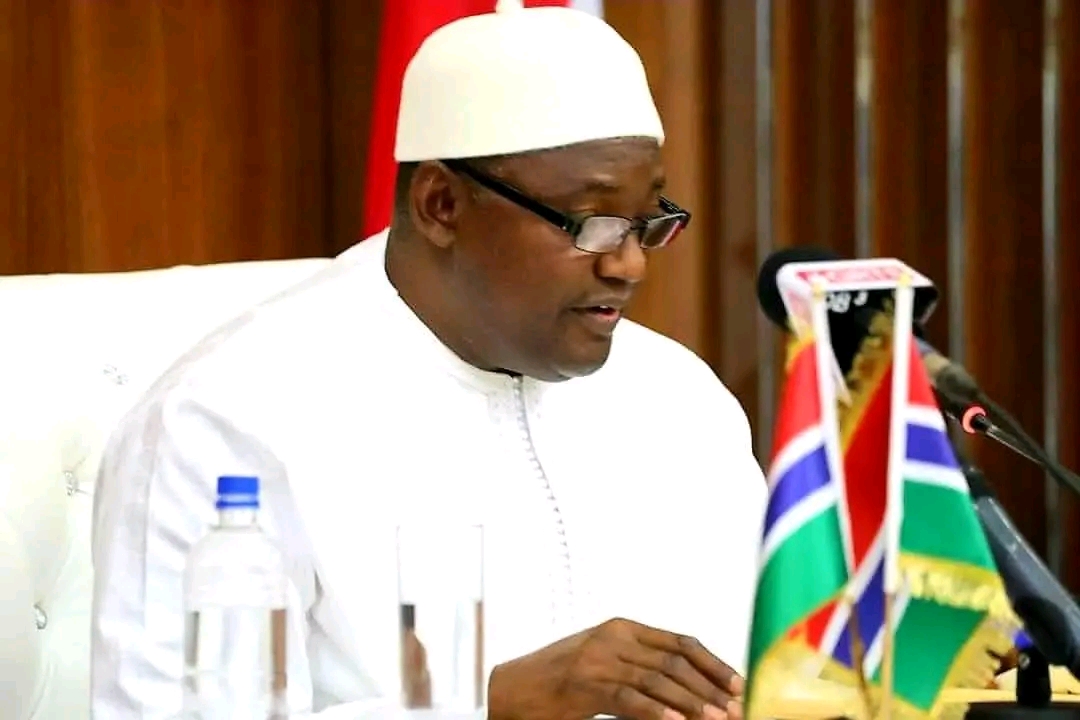
PRESIDENT BARROW DISCUSSES DEVELOPMENT WITH DIPLOMATS IN SAUDI

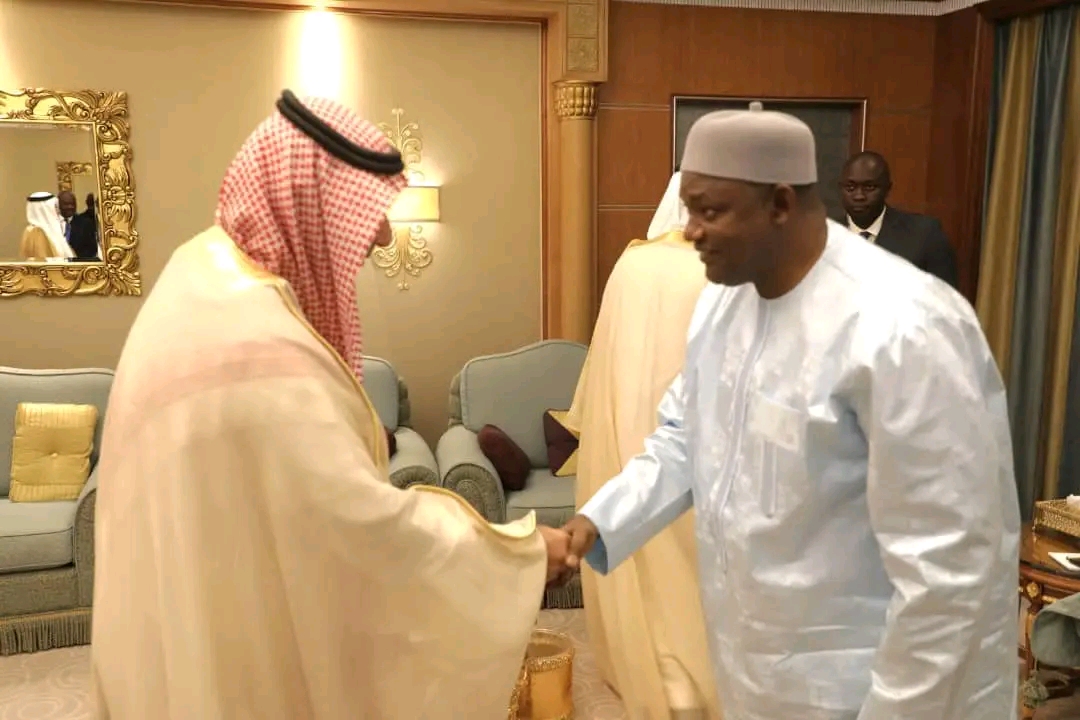
On the sidelines of the Saudi-Africa Summit, several Saudi dignitaries called on His Excellency Adama Barrow in Riyadh, Saudi Arabia, to discuss bilateral and other diplomatic issues of mutual concern to their institutions and The Gambia.In his first engagement on Thursday, 9th November 2023, the President held an audience with the Islamic Development Bank Group Chairman, H.E Dr Mohammed bin Sulaiman Al-Jasser. President Adama Barrow commended the Bank for the magnificent support provided to his Government, from the construction of the University of The Gambia Faraba Banta Campus to the Bertil Harding Highway and other flagship projects.In acknowledging the ISDB Group's significant contribution to the country's development, President Barrow described the Bank as a "valued partner" towards realising his dream and vision for The Gambia.In augmenting its great support to The Gambia, the Islamic Development Bank Group commits to extending and expanding another much-needed road infrastructure project in the Great Banjul Area.President Adama Barrow, in appreciation, thanked the IsDB and said, "The extension of the Bertil Harding Highway to Kafuta and an additional bypass bridge at the Sukuta Traffic Light Junction are highly welcomed projects." He also urged the Bank Chairman to explore the funding possibility of the bypass road from Banjul to the airport through a Public Private Partnership arrangement.The IsDB Group Chairman, Dr Mohammed bin Sulaiman Al-Jasser, said the Bank showcased The Gambia as a success story in its portfolio because of the flagship projects such as the University of The Gambia and the Bertil Harding Highway achieved under what he called "the excellent leadership" of President Barrow. He added that the Islamic Development Bank is willing to collaborate with The Gambia to bring about more national development and prosperity for Gambians.In another engagement, President Barrow received the Saudi Minister of Environment, Agriculture, and Water Resources, H.E. Abdulrahman Al-Fadhli, and discussed bilateral cooperation and partnership in areas to strengthen food security and access to clean water in The Gambia.President Barrow invited the Saudi Minister to cooperate in Agriculture investment and water resources, emphasising his Government's determination to provide Gambians with accessible and clean drinking water and enhance food security.Minister Al-Fadhli welcomed the President's invitation and pledged his Ministry's willingness to send an Agriculture investment mission to The Gambia and have bilateral cooperation with The Gambia's Ministry of Water Resources. He offered to support the Ministry in sending a mission to study the Kingdom's Water Management System for production and distribution.In his final engagement on Thursday, President Barrow held an audience with the Secretary General of the World Assembly of Muslim Youth - WAMY, Dr Saleh bin Sulaiman Al-Wohaibi. They discussed the plight of Muslim Youths, who form about 60% of the Muslim population, and the need to provide skills for the youth through education and social amenities in their environment.President Barrow took the opportunity and thank WAMY for its work in The Gambia in providing wells, mosques, and scholarships to students. It also supports the needy during Muslim festive periods with foodstuff.Dr. Al-Wohaibi said they are willing to support the needy through charitable acts as prescribed by Islam and mentioned that they will continue to do so with the support of their financiers and the appreciation of beneficiaries. In the Gambia, WAMY is also partnering with the Fatoumatta Bah- -Barrow Foundation - FaBB to complement the Government's effort to provide social amenities in communities. 

Continue Reading >>
News First slide

DIGITALIZING HEALTHCARE: The Gambia Advances Implementation of Health Insurance Scheme

Inadequate medical infrastructure, a shortage of health care resources and limited access to essential health services have left many Gambians without the quality healthcare they deserve.Numerous African nations facing health sector challenges, have adopted digital public infrastructure as a means to alleviate inadequacies impeding healthcare through digital solutions. In a landmark move, the Government of the Gambia embraced digital transformations to enhance healthcare services, with the intention to make healthcare more accessible and efficient for all Gambians. This initiation of The Gambia's National Health Insurance Scheme (NHIS) which carves an ambitious promise to cover the entire population, is a significant step in the country's pursuit of Universal Health Coverage (UHC).“The systems all along had been manual process and then we have challenges along the line, this includes data coalition, archiving the data, retrieving the data from the database is also a problem, so if the people misplaced their certificates, we find it difficult to retrieve the certificates.”-Lamin Fatty, Registrar, Birth & Death, Ministry of Health The journey towards realizing the vision of the NHIS reached a critical milestone in 2021 when the National Assembly passed the National Health Insurance Bill into law. This significant achievement was followed by the crucial approval of the  President H.E Adama Barrow, solidifying the NHIS as a vital element in The Gambia's healthcare landscape. The health insurance scheme which will record citizen data, enables policyholders to access healthcare services, make appointments, and access medical records remotely. After the mass campaign, thousands of citizens particularly families stormed registration centers to get registered for the insurance scheme.“I don’t know much about the scheme, but I am optimistic it will ease most of the challenges we go through just to have access to health care. I have registered and am now looking forward to enjoying the benefits.” ~Bintou Sillah, citizen. According to officials, digital birth registration and health insurance membership will reduce healthcare costs for citizens. Over a million have registered, but thousands still have doubts about the scheme's viability, the health sector still has work to do to get more citizens to register amid widespread skepticism. The NHIS aims to significantly reduce waiting times and bureaucratic hurdles that have historically impeded timely access to healthcare services.“We are working with the World Bank to ensure that everything goes well, all the plans are being laid. We are yet to launch, for now all the institutions have been set up, all the mechanisms have been put in place so that it will be effective “~Dr.Mustapha Bittaye, Ministry of Health With funding from the world bank, the ministry is also tapping various means to fund the long term project. Few months ago, stakeholders from various institutions led by the Vice President and health minister assembled to discuss strategic ways to mobilise funding opportunities for the scheme. The NHIS has fortified its digital infrastructure with robust cybersecurity measures to ensure the confidentiality. Data security and privacy are paramount in this transformation, a sophisticated software is built to confirm and regulate wrong data. Scores of people registered for the digital birth and insurance scheme, but the benefit is yet to come there way and for many who are keenly anticipating its arrival, the development signals a new dawn easing access to viable and affordable healthcare services if fully implemented.

Continue Reading >>
News First slide

KUNTA KINTEH FERRY ON BREAKDOWN MAINTENANCE

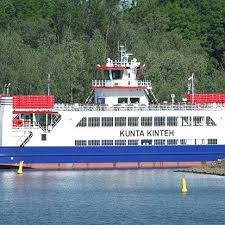
PRESS RELEASE The Ferry Service Management wishes to inform the general public that the Kunta Kinteh Ferry will be witndrawn for breakdown maintenance for at least 48 hours with effect from Tuesday, 8th August 2023.Meanwhile, Kanilai Ferry will be deployed to provide minimal service. Efforts will be made to restore Kunta Kinteh Ferry, and Management wishes to apologize to the travelling public for any inconvenience that this disruption in service may cause. GFSC MANAGEMENT

Continue Reading >>
News First slide

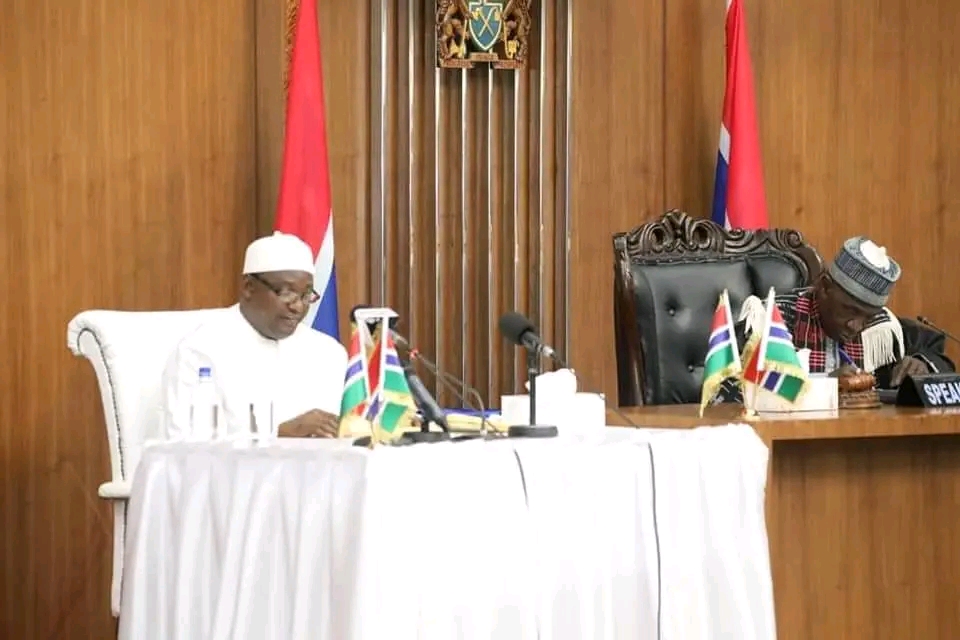
PRESIDENT BARROW CALLS ON LAWMAKERS TO UNITE FOR EFFECTIVE DELIVERY

The Gambian leader made the remarks in his State of the Nation address for the 2023 legislative year at the assembly chambers where he addressed the condition of the country and outlined the government's policies.President Barrow said disunity is a threat to progress.‘The critical factor that threatens peace and development most is disunity. We may belong to different political parties, religious faiths, or other social groupings, but we must unite as a nation to realise our national targets.’‘Honourable Members, while discharging your duties, I urge you to dialogue and initiate bi-partisan collaboration in a positively democratic manner. This would allow you to table issues not exclusively from political party perspectives, but from genuine patriotic standpoints and through the people’s lenses.’ He said.The Head of State further said the core mandate of the Executive, the Legislature, and the Judiciary are ‘interlocked’ thus requiring them to work together.‘Once we have a common goal, such as the development and progress of the people we serve, there will always be the need to unite.’The president said the legal frameworks, policies, and programmes developed and mentioned in his address are relevant and good enough to guide the people to success. But, ‘the Assembly and the public have a facilitating role to play in their implementation process.’He promised to serve the country with a ‘clear conscience, vision, and realistic development plans and programmes.’

Continue Reading >>
News First slide

PRESIDENT BARROW OUTLINES GOVERNMENTS’ ACHIEVEMENTS AND PLANS

His Excellency Adama Barrow delivered the 2023 state of the nation address outlining his government’s achievements and national development plans, spurring sustainable growth and economic stability.During a marathon address before a fully packed Assembly of deputies, senior government officials and the diplomatic corps, President Barrow revealed insights into his government's plans for the coming year, outlining some major breakthroughs attained over the past years.The president said despite the challenges caused by the Covid-19 pandemic and the Russia-Ukraine war, the Gambia’s economy registered impressive development in all forms, with robust economic fundamentals directed at maintaining sustained levels of positive growth and price stability.Dilating on various sectors, policies and national programmes, the Gambian leader said his government is committed to supporting farmers.‘The Ministry of Agriculture has initiated The Gambia Incentive-based Risk Sharing and Agricultural Lending Facility Project to improve access to finance by de-risking lending to the agriculture sector.’‘The project will collaborate with financial institutions to avail farmers and value chain actors of the needed finance for a transformed Food System.’ He said.He underscored the defence Ministry’s development of the first ever defence policy, while highlighting focused efforts to empower women.‘The Women Enterprise Fund introduced in 2020 has benefited more than 93,000 women entrepreneurs, with D68 million disbursed to 628 Women Groups. The recovery rate during the past three years stands at 75% and 53%, respectively, for the first and second disbursements. In 2023 about 550 women groups will be reached countrywide through the same arrangement.’The president’s state of the nation address further noted the government's success in building key sectors such as education with more schools and trained teachers responding to the increasing enrolment in all levels of the education system alongside scholarship opportunities.On crime and security, The Gambian leader revealed the drastic reduction of crime in the first quarter of 2023 compared to 2021 and 2022, outlining corresponding efforts to strengthen and indigenize the judiciary and justice system.The President further highlighted major headways in energy and infrastructural development citing the numerous road constructions registered by his administration. He said NAWEC is being restructured to improve services as the government continues to subsidize fuel prices to respond to rising global fuel prices.Reacting to the president’s speech, Alhagie S. Darboe the minority leader said the president should be commended for appearing a little earlier compared to the previous year.‘The president’s address should come in the first quarter of the year so the deputies can be well informed on the issues and address them. This time it came in the second quarter, but we will keep pushing so it can be delivered in the first quarter.’Deputies are expected to deliberate on the president’s address in subsequent parliamentary sittings. Muhammed B.S Jallow the vice president will represent the president to answer questions. Cabinet ministers will also appear on separate days to take questions regarding their various ministries.During subsequent assembly deliberations, bills and motions will be presented to the legislature for enactment alongside treaties and international agreements scheduled for ratification.

Continue Reading >>

Latest Updates

News First slide

KABADA ROADS A MILESTONE: PRESIDENT BARROW PROMISES FULL ELECTRIFICATION OF LRR

President Adama Barrow has hailed the completion of the 200km Kabada roads project as a major milestone in The Gambia's infrastructural transformation. He was speaking in Jarra Wellingara Ba and Kiang Kwinella as he wrapped up the first leg of his Meet the People Tour.The President also promised to electrify the remaining communities in Lower River Region (LRR).After nearly eight days in Upper River Region (URR) and Central River Region (CRR), President Barrow crossed into LRR at the Sofanyama Bridge, which marks the boundary between the two regions.Governor Ousman Bah of CRR, alongside his Deputy Sainey Mbye, chiefs, alkalolu and regional security chiefs, saw off the President. He was received on the other side by Seedy Lamin Bah, the Governor of LRR, and regional officials, before greeting a long line of local dignitaries. After traditional ceremonies, the entourage proceeded to Wellingara Ba in Jarra Central.At Wellingara Ba football field, supporters surrounded the President’s motorcade chanting slogans in a carnival atmosphere. The meeting opened with prayers, followed by welcoming remarks from Alkalo Ali Baldeh, who reaffirmed his support and loyalty to President Barrow and assured him of votes in December.Other speakers, including Chief Ansumana Kanaji of Jarra East, Lady Councillor Sira Sabally, youth representative Lamin A. Jobe, National Assembly Member Honourable Haruna Barry and Paramount Chief Yahya Jarjusey, all renewed their support and vowed to mobilise for the President ahead of the December polls.They acknowledged the positive developments but appealed for expansion of the electricity network, more investment in agriculture, provision of cold storage facilities for women gardeners, and vaccines to protect livestock.Responding, Minister of Agriculture Dr Demba Sabally said the government will embark on a massive livestock vaccination campaign next year. He added that the government has already provided nine tractors, tilled hundreds of hectares in several communities in LRR, and built seven cold storage facilities to support women.President Barrow thanked the people of Jarra for the impressive turnout, saying it underscores the strong support he enjoys in the area. He noted that LRR has the lion’s share of his road infrastructure drive, with 200km already completed, and appealed for patience for more to come.He said he feels emotional whenever he visits Kabada, where decades of isolation left the region underdeveloped.On electricity, the President said out of 1,800 settlements nationwide, only 300 remain without electricity, adding that contracts have already been signed to connect them. He declared that his “long hand of development” will reach every community.From Wellingara Ba, the entourage proceeded to Kwinella in Kiang Central for the final meeting in LRR, where supporters lined the main road to welcome the President.Speakers heaped praise on the government for opening up what was once an isolated part of the country. Elder Fabubu Bah said the road network has opened new corridors and made the region accessible. He promised the people will repay President Barrow with votes, saying opposition ballot boxes “will come to Kabada empty and will leave empty” to loud applause.NAM for Kiang Central, Hon. Yusupha Bah, recalled the difficulties Kabada faced in the past and contrasted it with the present, where all major roads are paved, describing it as an unprecedented feat that makes President Barrow the preferred candidate. He predicted a landslide victory.The meeting was cut short by heavy rains, forcing President Barrow to deliver a brief address. He thanked the people of Kiang for their support and promised to inaugurate the 200km road network later this month.

Continue Reading >>
News First slide

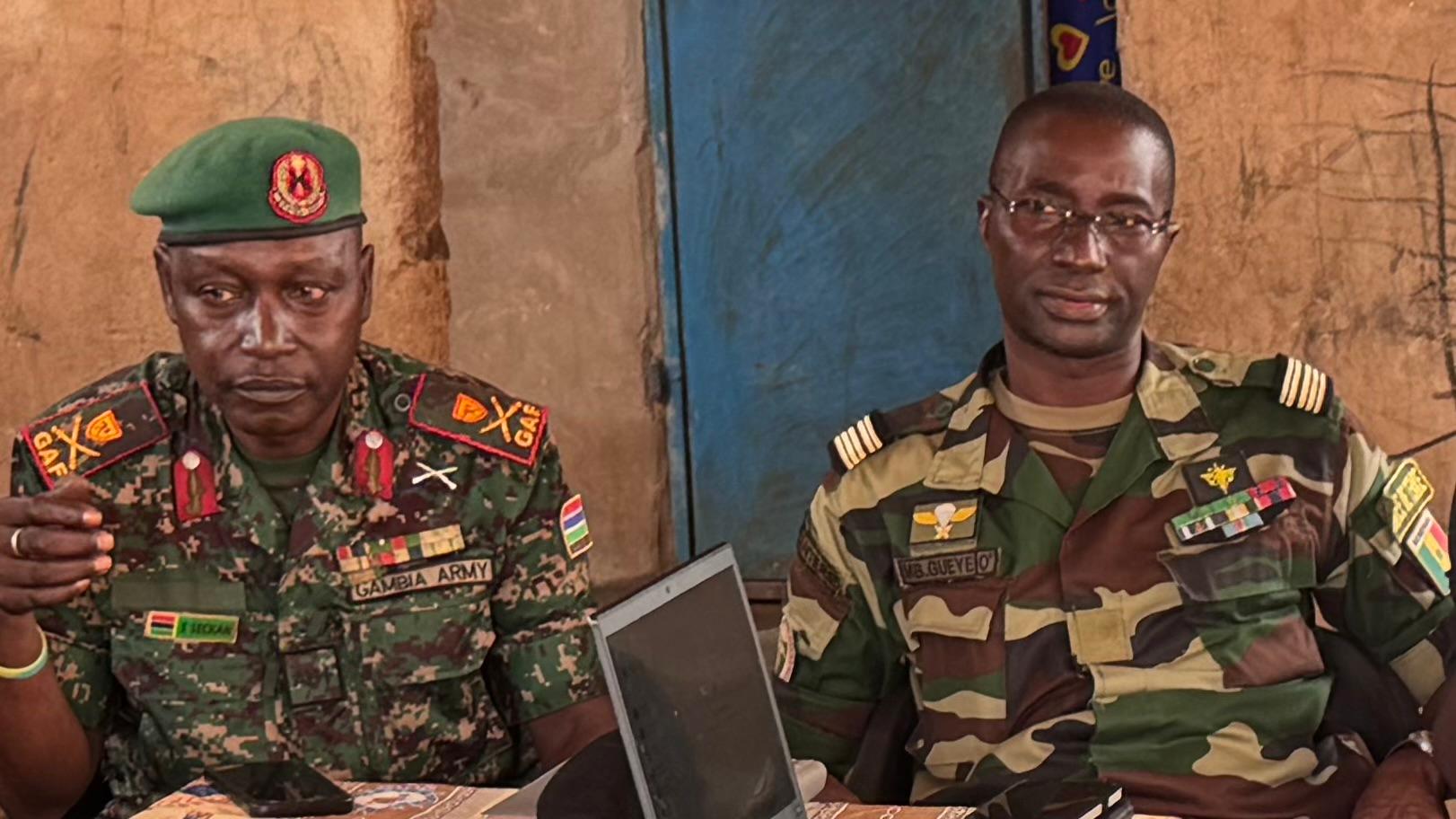
GAMBIA-SENEGAL BOUNDARY SENSITISATION SET FOR FRIDAY

The Gambia-Senegal Boundary Commission has held a preparatory meeting in Njaw, CRR, ahead of a joint sensitisation campaign on the boundary densification exercise.General Saikou Seckan of the Gambia Armed Forces said the boundary was demarcated in 1904 and stressed that the sensitisation team’s role is to explain the exercise and allay concerns among border communities.Colonel Gueye of the Senegalese Territorial Army said the exercise aims to clarify the existing boundary. He assured residents that it is not intended to take away their land, but said landowners must comply with the laws of the country where their land falls.Lt Col. Lamin Krubally, Farafenni Commanding Officer, stressed the exercise's importance to national security, while Dawda Fatty, Director of Lands and Survey, highlighted the strong family ties between communities on both sides.The local chief welcomed the initiative, saying “The farms are older than the boundaries.”The joint sensitisation campaign launches Friday at Njaw CRR. Delegates from both The Gambia and Senegal and international agencies are expected to attend.

Continue Reading >>
News First slide

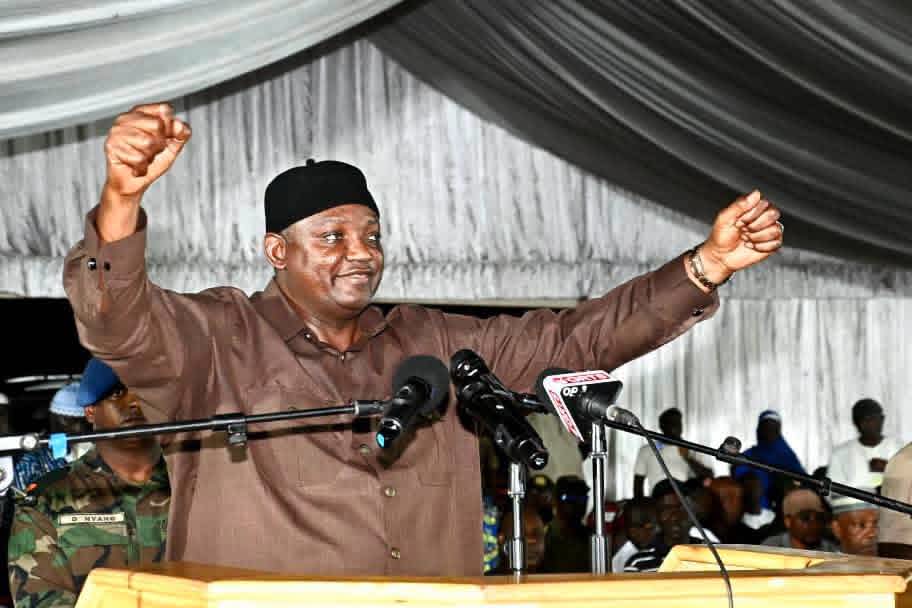
PRESIDENT BARROW PLEDGES ADDITIONAL D50M FOR WOMEN, ANNOUNCES FINAL PHASE OF CRR ELECTRIFICATION

President Adama Barrow has pledged an additional D50 million to empower Gambian women and strengthen their participation in national socio-economic development.President Barrow made the pledge in Kaur and Kalen Jawbeh during his ongoing Meet the People Tour in Central River Region North. He also disclosed that the government has awarded contracts for the second and final phase to provide electricity to the remaining communities in the region.The President was speaking at a joint meeting in Kaur for Lower Saloum, Upper Saloum and Nianija Districts.The meeting opened with statements from community leaders who thanked the President for unprecedented developments in roads, electricity, health and education. While acknowledging the gains, they appealed for expanded access to electricity and clean water, and support for farmers affected by poor rainfall this season.They renewed their loyalty to President Barrow and pledged to ensure a landslide victory for the NPP-led Grand Alliance in the December polls.The National Assembly Member for Lower Saloum, Honourable Sainey Jawara, commended the developments but appealed for fast-tracking of electricity to cover the remaining communities in CRR North.Minister of Lands, Regional Government and Religious Affairs, Honourable Hamat N.K. Bah, described Kaur as a former major commercial hub whose economy declined due to decades of neglect. He said President Barrow will rebuild the town through a new port and modern road network.Minister Bah also warned Chiefs and Alkalolu to desist from allocating state lands to foreign individuals for agricultural purposes without approval from his Ministry. He said the government has approved a new Land Policy that protects state lands from encroachment, and warned that violators will face consequences.In his address, President Barrow thanked the people of Nianija, Lower and Upper Saloum for the massive turnout, describing it as a vote of confidence in his leadership.On women’s empowerment, he said the additional D50 million for women farmers and entrepreneurs will bring his government’s total allocation to women to D100 million.On energy, President Barrow said his government has achieved unprecedented expansion in the last nine years, with contracts already signed for the remaining unelectrified communities in CRR. The announcement was greeted with applause.From Kaur, the entourage proceeded to Kalen Jawbeh in Sami Constituency, where thousands staged a massive reception.Community leaders in Sami and Niani also praised the government for life-changing projects, noting that 63 villages in the area now have electricity. They, however, cited insecurity, robbery and cattle rustling as major challenges and appealed for a PIU post to address the problem.At the same meeting, Kuntaur Area Council Chairman, Saihou Jawara, presented eight motorbikes to community health workers to ease mobility and improve rural healthcare delivery.Responding, President Barrow said 204 villages have been connected to the grid in the last nine years, compared to only 40 villages in 52 years under the Jawara and Jammeh administrations. He said the remaining eight villages will soon be connected and urged patience.On security, President Barrow assured that the government takes the matter seriously and will deploy a PIU unit to fight robbery and cattle rustling in border areas.He appealed for massive support in the December election, saying the vote will determine whether Gambians choose progress or a return to underdevelopment. He cautioned supporters against overconfidence and urged hard work to secure a resounding victory for the Grand Alliance.He thanked the people of Sami and Niani for the huge turnout despite the late hour, expressing hope that the support will translate into votes.

Continue Reading >>
News First slide

Gambia, Senegal Launch Sensitisation Campaign on Border Densification Exercise

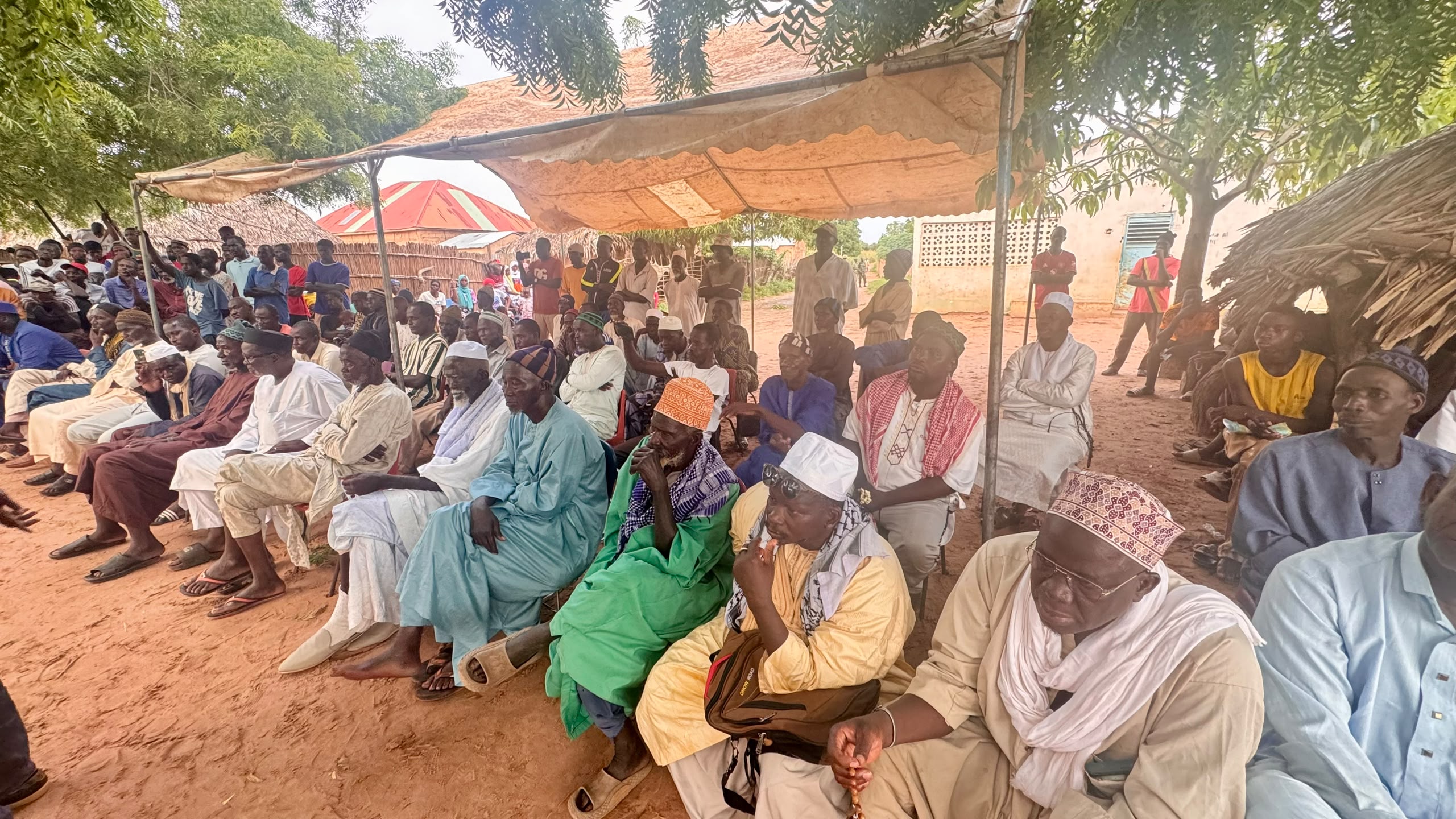
The Gambia and Senegal on Friday launched a sensitisation campaign to educate border communities on the ongoing border densification exercise and dispel misinformation and disinformation surrounding the process.Speaking at a community gathering in Njaw, Central River Region, National Security Adviser and Deputy Chairman of The Gambia’s Boundary Commission, Abubacar Jeng, said President Adama Barrow is paying close attention to the exercise and considers it a matter of national importance.Mr Jeng clarified that the exercise does not involve the demarcation of a new border, but rather the densification of the existing boundary to make it more visible and clearly identifiable.He acknowledged that the international boundary cuts across communities on both sides and assured residents that the exercise would not result in the loss of land belonging to individuals or communities.“The border is not being demarcated; it is being densified to make it clearer,” Mr Jeng said, while expressing confidence that communities on both sides would continue to coexist peacefully, as they have done for generations.(Abubacar Jeng, National Security Adviser and Deputy Chairman of The Gambia’s Boundary Commission)Chairman of Senegal’s Boundary Commission, General Saihou Camara, echoed the call for calm and peaceful coexistence. He urged residents not to take the law into their own hands should disputes or concerns arise during the exercise.General Camara advised community members to seek assistance from the appropriate authorities in either country to resolve any issues that may emerge.Representing GIZ, Dr Abdul highlighted the importance of clearly defining and identifying international boundaries. He explained that the densification exercise would improve clarity along the border and help reduce the potential for cross-border disputes and conflicts.The Prefect of Kaffrine, Madam Fall, also underscored the longstanding peaceful relations between communities on both sides of the border. She encouraged residents to preserve the spirit of cooperation and peaceful coexistence that has characterised their relationship over the years.The Chief of Upper Saloum, Alhaji Demba Sey, and his Senegalese counterpart spoke of the deep historical, cultural and social ties that bind communities in the border areas.Other speakers included alkalos and youth representatives from both The Gambia and Senegal, who also emphasised the importance of maintaining peace and understanding among border communities.The gathering marked the beginning of a wider sensitisation campaign aimed at reassuring communities about the objectives of the densification exercise while addressing concerns and combating misinformation and disinformation.Authorities from both countries urged residents to rely on verified information from the Boundary Commissions and relevant government authorities throughout the exercise. 

Continue Reading >>
Press Release First slide

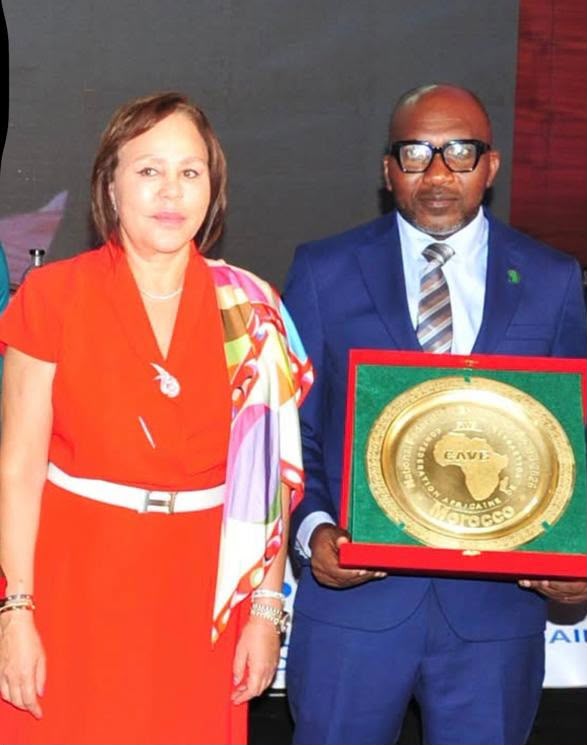
CAVB Honours Gambia Volleyball Federation for Contribution to African Volleyball 

Sal, Cape Verde, October 4, 2026 - The Gambia Volleyball Federation (GVBF) has been honoured by the African Volleyball Confederation (CAVB) among 18 national federations recognised for their performances, achievements and continued contribution to the growth and development of volleyball in Africa.The recognition was presented during the CAVB Ordinary Congress in Sal, Cabo Verde, with the award received on behalf of The Gambia by Bai Dodou Jallow, President of the Gambia Volleyball Federation.The continental recognition acknowledges the efforts of national federations in strengthening competitions, developing volleyball programmes, expanding participation and creating greater opportunities for athletes, coaches, officials and other stakeholders.For Gambian volleyball, the honour represents another important milestone in the country’s continued development and participation in the sport at continental level.The latest recognition also carries historical significance. In 2015, The Gambia received a similar continental recognition from CAVB, highlighting the country’s contribution to the development of volleyball.More than a decade later, the latest honour reflects the continued work of the Gambia Volleyball Federation to develop and promote the sport through national competitions, athlete development, regional and continental participation, and increased opportunities for Gambian volleyball players.The Gambia has continued to make its presence felt in both indoor and beach volleyball, with its teams and athletes competing in various CAVB competitions.The recognition is also a tribute to the collective efforts of athletes, coaches, clubs, referees, technical officials, administrators, volunteers and partners who continue to contribute to the growth of volleyball in The Gambia.For President Bai Dodou Jallow and the GVBF, the honour provides renewed motivation to build on the progress achieved and continue working towards a stronger and more competitive volleyball system.From the recognition received in 2015 to the latest honour in 2026, the Gambia Volleyball Federation continues to be recognised as part of the broader development of African volleyball.The latest CAVB recognition is therefore both a celebration of past efforts and an encouragement to keep investing in the future of Gambian volleyball.

Continue Reading >>
Sports First slide

SCORPIONS OUTCLASS BLACK STARS IN TACTICAL MASTERCLASS

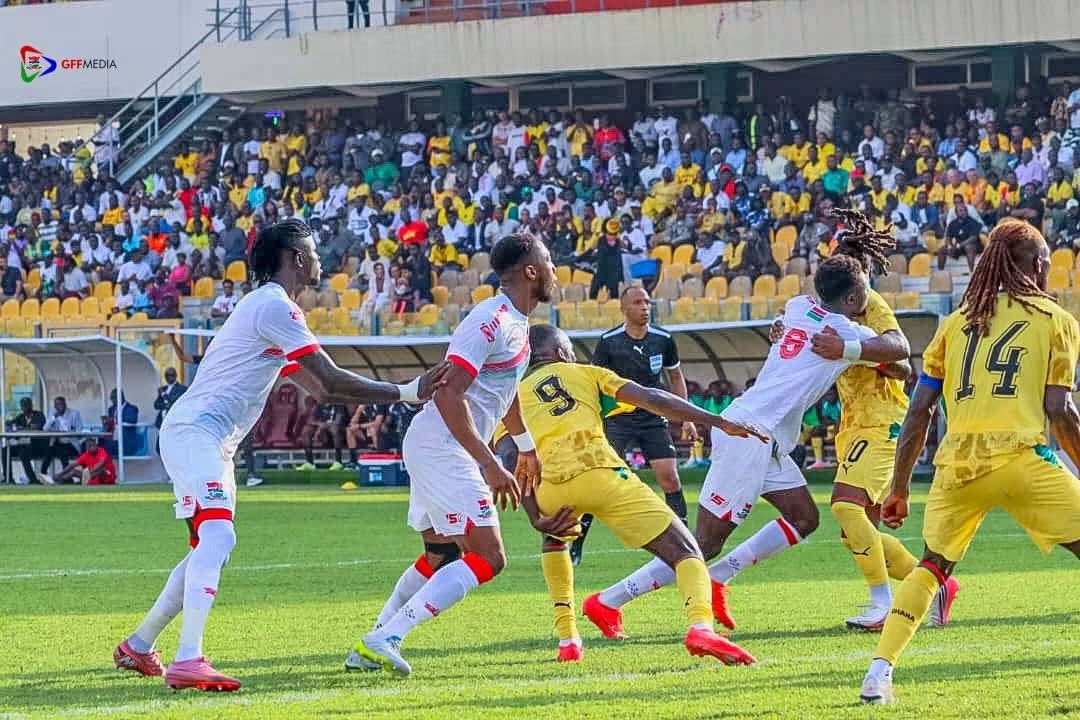
The Scorpions of The Gambia exceeded their wildest dreams to overturn a 2-0 deficit to secure an unlikely, stunning 4-2 win against the Black Stars of Ghana in front of a stunned home crowd at the Accra Sports Stadium in round two of the 2027 AFCON qualifiers. It appears as if it was going to be a long afternoon for coach Johnathan McKinstry and his side when Ghana took a 2-0 lead after 33 minutes with a penalty from Ernest Nuamah and a free kick from Felix Afena-Gyan.But how the Scorpions turned the game on its head to grab maximum points is one thing that left Ghana in total bewilderment. A rally with a converted penalty by Muhammed Badamosi, a close-range finish by captain Omar Colley and a brace from substitute Ebrima Colley were enough to send disbelief across the footballing family in Ghana and earned The Gambia a second straight win.But this wasn't a difference in class and maturity. This could only be credited to one thing - tactical discipline. TACTICAL MASTERCLASS BY JOHNNY MCKINSTRY The Northern Irish man deployed a five-man defensive approach with Omar Colley, Yaya Bojang, Alagie Saine, Joseph Ceesay, and Ibou Touray, all accustomed defenders starting.That wasn't packing the bus. It was a game plan. The approach worked against Somalia, where the Scorpions recorded a 2-1 victory, but this time around, it brought along an even bigger result.The approach prevented Ghana from scoring in open play. If not for the penalty and a free kick that looked more like a gift from goalkeeper Babucarr Gaye, who wrongly positioned the wall and himself, the score was going to be even more embarrassing for the home side.Even with the five defenders, Ibou Touray and Joseph Ceesay were largely seen joining the attack when the Scorpions were in possession, with the combative Portsmouth man Ebou Adams covering the gaps at the back when necessary. That helped the team draw themselves back on level terms at 2-2 before half-time.  The biggest turning point came in the second half when the Scorpions tactician added left-back Sainey Sanyang and midfielders Mouhamadou Drammeh and Ebrima Colley and forward Adama Bojang in the positions of midfielders Abubakr Barry, Suleiman Camara, Abdoulie Sanyang and striker Mohammed Badamosi. Not only did Ebrima Colley score two goals, but the way they helped the team maintain a clear balance between defence and attack and how Sainey, Mouhamadou and Ebrima combined in the lead-up to the 4th goal, justified how right those tactical switches were. All through the game, the Scorpions were tactically mature, disciplined, and they stayed true to their approach from start to finish. FLURRY OF GOALS Knowing fully well that losing to the Scorpions would be considered unforgivable, the Black Stars started the show in the 27th minute when Ernest Nuamah converted from the penalty spot following a foul by Badamosi. 3 minutes later, Felix Afena-Gyan curled home a free kick from outside the 18-yard box.At the moment, Ghanaians, from supporters to the Football Association President, the belief was that it was an afternoon of redemption. But the way the Scorpions rallied was astonishing. Mohamed Badamosi reduced the deficit from the spot in the 37th minute following a foul on Abdoulie Sanyang by captain Gedeon Mensah in the box.With 3 minutes to halftime, the Scorpions were levelled. Captain Omar Colley hit home a flick from fellow centre-back Yaya Bojang following a long throw from left-back Ibou Touray in the 42nd minute. After the break, the Black Stars were desperate for a win, attacking the Scorpions at every presentable chance. They were caught unawares at the back twice when the Scorpions switched gear to hit them on a quick break. In the 68th minute, Mohamed Badamosi flicks a long looping ball in the path of substitute Ebrima Colley, who hit past Benjamin Asare in the Ghana goalpost. And on the stroke of regulation time, the Scorpions hit the final nail into the Ghanaian coffin as Ebrima Colley headed home a Sainey Sanyang's cross into an unguarded net. The result sent a total shockwave and uproar among the home crowd, who angrily called for the resignation of the Portuguese boss Carlos Queiroz and Kurt Okraku, the President of the Ghana Football Association. A WORTHLESS DIFFERENCE  The difference between the Black Stars and the Scorpions is like a gap between a beginner and a professional. The Black Stars, who are currently ranked 65th in the world, have played in five World Cups and reached the quarter-finals in 2010. They managed four Africa Cup of Nations titles in their 24 appearances in the competition and also won seven WAFU titles. These achievements will make anyone believe that Ghana should not be any match for the Scorpions. This difference was rendered worthless as they were humbled before their home crowd. The Scorpions of The Gambia are ranked 116th globally and have only appeared in the AFCON twice, in 2021 and 2023, finishing in the 2021 quarter-finals as their best feat without ever playing in the World Cup. But the recent form of the Scorpions is unmatched by that of Ghana. In 12 consecutive games, the Scorpions won 7, drew 1, and lost 4, as opposed to Ghana, who have won just one, lost 9 and drawn 2 in 12 straight outings now. This simply shows how football is played and won not by size, achievements, or history, but on form and perhaps a bit of luck. WHAT NEXT? This victory puts the Scorpions in pole position to qualify for the 2027 AFCON after they missed out on the last edition. If they can grab six points out of a possible 12 in their remaining four games, qualification will certainly be secured.For the Black Stars, their destiny squarely lies in their own hands. They must grab a minimum of 10 points out of a possible 12 in their next four games to stand even the slightest of chances.For now, they will first need to diagnose their problem and start working on it; perhaps a possible return of Mohammed Kudus, Antoine Semenyo, and Jordan Ayew in the next window could be a possible solution. That, though, remains to be seen! 

Continue Reading >>